
Diplomatic considerations
January 29, 2026
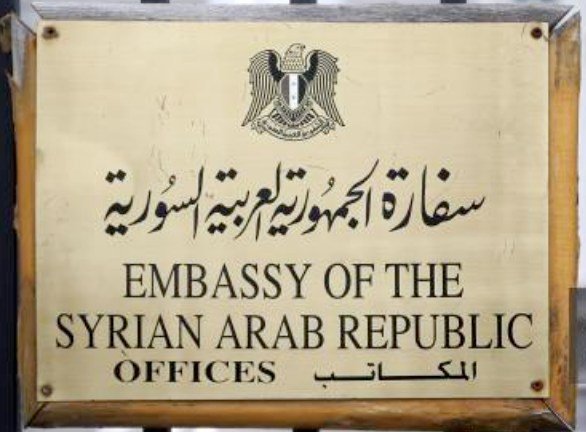
The names were leaked on January 28 - not announced officially - of seven diplomatic appointees to Chargé d'Affaires posts in various Syrian embassies, including Washington DC and Berlin. Massive uproar ensued as with many Syrian matters; some pushback was justified, some less so.
First, those seven men (only men, as usual) are neither career diplomats nor known to most Syrians. These are political appointments. In itself, it's not unusual in many countries to promise a post to an ally or offer it as a reward to a supporter. It is the prerogative of the minister of foreign affairs, and of the president, even though it usually ruffles feathers when more qualified people are overlooked.
Second, there is skepticism about their relevant experience and qualifications for these jobs, especially in sensitive posts and important capitals. Some of them are rather young, recent graduates, and have little international exposure. Diplomatic work is a mix of many things, not limited to knowing languages and having global experience, but also requiring a flair for communications and protocol, a strong foundation in history, geopolitical acumen, and much more.
Third, there is blatant nepotism and favoritism with the appointment of the Chargé d'Affaires to Berlin, the son of a current minister, with none of the diplomatic or other background that would potentially justify overlooking his father’s connection. This is not sitting well with most Syrians, especially with the huge importance of Germany as a major European power and a current home for over a million Syrians. Such a decision is counterproductive on both sides.
That said, some people err when they point to the huge Syrian communities in the various countries in question, claiming they include many individuals who could be ambassadors or representatives. As Syrians spread around the globe, many have indeed become well-established in influential capitals, known to fellow Syrians and to politicians or media in their respective host countries.
But it's not that simple: they cannot be new ambassadors where they are either. The fact is that it is not the norm to appoint as ambassadors people with dual citizenship - that of the country they represent, and that of the country to which they would be posted. A foreign ambassador also being a national of the receiving state means there would be a clear conflict of interest and divided loyalties, and limitations to diplomatic immunity. While there have been exceptions to this norm, the 1961 Vienna Convention on Diplomatic Relations guides many decisions, including that the host country must agree to the appointment.
Many Syrian embassies are currently closed, and even those that are open do not have representation at high levels. These posts must be filled at a time when Syria needs support in re-engagement, reconstruction, and the rebuilding of society and provision of livelihood for its people.
But the government should look at a wider pool of candidates, and accept that embassies cannot be filled exclusively from its close circle. Not every previous diplomat was a hardcore Assadist; there are some who are assets to the country, in addition to former diplomats who very publicly defected during the revolution and made clear statements about their positions the moment they were out of service. They should be part of Syrian diplomatic engagement too.
There are also many capable patriots inside and outside the country, former diplomats and competent professionals in other fields, who would be worthy representatives of Syria - not in their countries of residence, for the most part, but in others they know well and whose language and culture they understand. I hope the foreign ministry and the presidency reconsider not only their current choices, but also the frame of mind in which they have been operating until now.